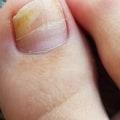
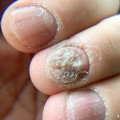
When it comes to the health of our feet, toenail fungus can be one of the most troublesome issues we face. Not only is it unsightly and embarrassing, but if left untreated, it can lead to fungal nail and permanent damage to the toenail. This can cause intense discomfort, pain, and even infection. In this article, we'll explore the symptoms and complications of toenail fungus, and how you can protect yourself from fungal nail and permanent damage.
Toenails can suffer from a variety of injuries that can cause permanent damage.These injuries may include fungal infections, trauma, or dryness. Some of the most common signs of permanent damage are discoloration, thickening, and brittleness. This article will discuss the different types of damage that can occur as well as how to spot them, tips for prevention, and treatments.
Fungal Infections
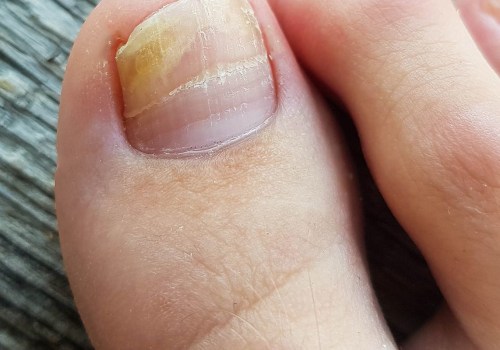
- Fungal infections can cause permanent damage to the toenail. The fungus enters through tiny cuts or breaks in the nail and can spread quickly.Common symptoms of a fungal infection include discoloration, thickening of the nail, brittleness, and a foul odor. If left untreated, the infection can spread to other nails or even cause permanent damage.
Trauma
- Trauma to the toenail can also cause permanent damage. This can be caused by excessive pressure, such as when wearing tight shoes or standing for long periods of time. It can also be caused by dropping something heavy on the toe or stubbing the toe on something sharp.Signs of trauma-related damage include cracking, splitting, and discoloration of the nail.
Dryness
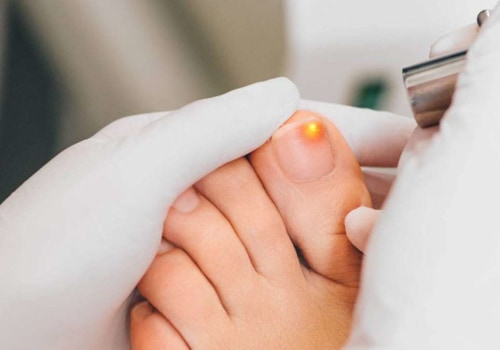
- Dryness is another cause of permanent damage to the toenail. This can be caused by wearing open-toed shoes for extended periods of time or not using a moisturizer on the feet. The nail can become brittle and break easily, leading to further damage. Common signs of dryness-related damage include brittleness and cracking. Preventing permanent damage to the toenail is important in order to maintain healthy feet.Wearing properly fitted shoes is essential for reducing pressure on the toes that could cause trauma-related damage. Additionally, using a moisturizer on the feet and avoiding open-toed shoes will help keep the toenail from drying out and becoming brittle. Finally, avoiding areas that may contain fungus and wearing shower shoes when in public showers will help reduce the chances of fungal infections. If permanent damage is spotted in the toenail it is important to seek medical attention. Treatments for fungal infections may include antifungal medications or laser therapy.
Trauma-related damage may require surgery in order to repair any structural damage to the nail or underlying tissue. Dryness-related damage can be treated with moisturizing creams and ointments. Taking care of your feet and seeking medical attention when necessary is essential for maintaining healthy nails.
Tips for Prevention
The best way to prevent permanent damage to the toenail is to keep your feet clean and dry at all times. Wear comfortable shoes that fit properly and avoid walking barefoot in public places.Avoid using harsh chemicals on your feet, such as bleach or nail polish remover, as these can cause further damage.
Treatment
If you do notice any signs of permanent damage to your toenail, it is important to seek medical attention right away. Your doctor may suggest antifungal medications or topical creams to help clear up any infection or dryness-related damage. In some cases, surgery may be necessary to remove the damaged nail. When seeking treatment, it is important to ensure that you are using the right medication and following the instructions carefully.If left untreated, permanent damage can lead to more serious health complications. Proper foot care is essential in preventing further issues and helping you maintain healthy toes.
How to Spot Permanent Damage
It is important to pay attention to any changes in your toenails so that you can spot permanent damage as soon as possible. Common signs include discoloration, thickening, brittleness, and foul odors. Discoloration can range from yellow to dark brown or even black.Thickening of the toenail is caused by fungal infections, trauma, or dryness. The nail may also become brittle, which can cause it to chip or crack easily. Foul odors can be an indication of a fungal infection. In addition to visual signs, there may be other symptoms associated with permanent damage to the toenail. These can include pain, inflammation, and redness around the nail.
If you experience any of these symptoms, it is important to visit your doctor right away. It is also important to be aware of any changes in the texture and shape of the nail. This can be indicative of an underlying medical condition that could lead to permanent damage if left untreated. Permanent damage to the toenail can have serious consequences if left untreated. Therefore, it is important to pay attention to any changes in your nails, so that you can spot any issues early on and seek medical attention as soon as possible. Taking preventative measures such as keeping your feet clean and dry, wearing comfortable shoes, and avoiding harsh chemicals can help reduce the risk of permanent damage.
Additionally, it is important to follow the treatment plan recommended by your doctor and to stay informed about the latest advances in treatment methods.