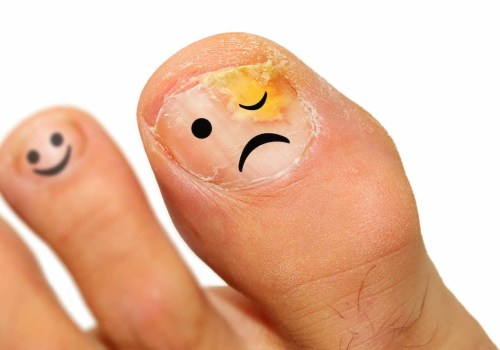
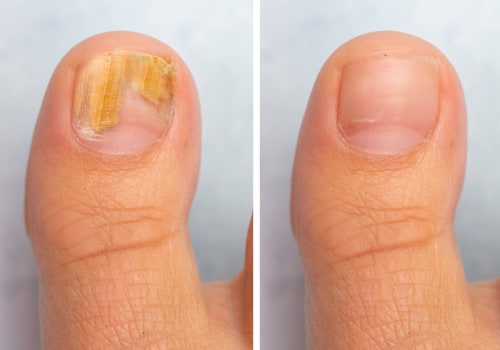
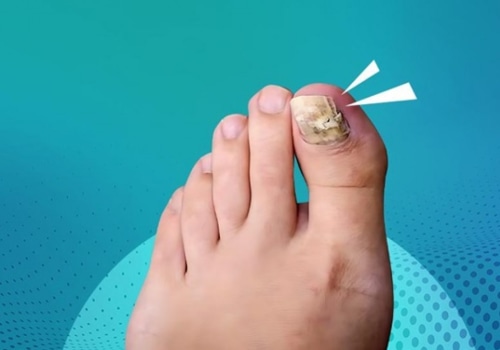
No one likes to think about it, but toenail fungus is a common problem that many people face. It's not only unsightly and embarrassing, but it can also cause pain and discomfort. Fortunately, there are simple steps you can take to prevent toenail fungus and keep your feet healthy and looking great. One of the most important steps is to wash your socks, towels, and bedding regularly. Regularly washing your socks, towels, and bedding is essential for preventing toenail fungus.
These items are often the source of fungus-causing bacteria, so keeping them clean is essential for preventing the spread of infection. Washing your socks, towels, and bedding can help keep the bacteria from spreading to your feet and causing an infection. Washing your socks, towels, and bedding on a regular basis isn't just important for preventing toenail fungus; it's also important for keeping your feet clean and healthy. When you wear socks that have been exposed to moisture, dirt, or sweat, you increase the risk of infection. By washing your socks, towels, and bedding regularly, you can reduce the chance of developing a fungal infection. In this article, we'll discuss why it's important to wash your socks, towels, and bedding regularly in order to prevent toenail fungus.
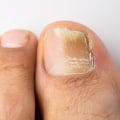
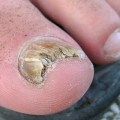
We'll also provide tips on how to properly clean these items and how often you should be washing them. Toenail fungus is caused by a fungal infection of the nail. It is most commonly caused by wearing damp socks and shoes for extended periods of time.
Washing socks, towels, and bedding regularly
can help reduce the risk of developing toenail fungus. Socks should be washed in hot water with regular detergent or bleach.This will help kill any fungal spores that may be present. It is also important to wear a pair of clean socks each day. This will help prevent the spread of fungal spores from one pair of socks to another. Towels should also be washed in hot water with regular detergent or bleach.
It is important to use a fresh towel each time you shower or bathe, as this will help prevent the spread of fungal spores from one towel to another.
Bedding should be washed in hot water with regular detergent or bleach every two weeks
. This will help keep any fungal spores that may be present on the bedding from spreading. It is also important to keep your bed sheets and pillowcases clean and dry.This will help prevent the growth of fungal spores on the fabrics. By following these simple steps and washing your socks, towels, and bedding regularly, you can reduce your risk of developing toenail fungus.
Tips For Washing Socks, Towels, and Bedding
When washing socks, towels, and bedding it is important to do so in hot water with regular detergent or bleach. This will help ensure that any fungal spores present on the items are killed. It is also important to wear a clean pair of socks each day and use a fresh towel every time you shower or bathe. Additionally, bedding should be washed every two weeks to help keep any fungal spores that may be present from spreading.Why Is It Important To Wash Socks, Towels, and Bedding Regularly?
Washing socks, towels, and bedding regularly can help reduce the risk of developing toenail fungus.Fungal spores are easily spread through contact with contaminated items, which makes good hygiene practices essential. Keeping these items clean can help stop the spread of infection and prevent toenail fungus from taking hold. When washing socks, towels, and bedding, it is important to use hot water and a mild detergent. This will help to kill any lingering fungal spores and make sure that the items are thoroughly cleaned. Additionally, it is important to dry these items as quickly as possible in order to prevent any new fungal spores from settling on the fabric. It is also important to wash socks, towels, and bedding regularly to prevent them from becoming contaminated with fungal spores in the first place.
By washing these items frequently, you can ensure that they remain free from fungal spores and reduce the risk of developing toenail fungus. In summary, washing socks, towels, and bedding regularly is important in order to reduce the risk of developing toenail fungus. Doing so can help stop the spread of fungal spores and keep these items clean and free from contamination. Regularly washing socks, towels, and bedding can help reduce the risk of developing toenail fungus. Keeping these items clean and dry is key in preventing toenail fungus, and following the tips mentioned in this article can ensure that your items are properly washed. Good hygiene practices, such as washing socks, towels, and bedding regularly, are essential in reducing the risk of toenail fungus.
By taking the time to clean these items and follow the tips provided, you can help keep your feet healthy and free from infection.